
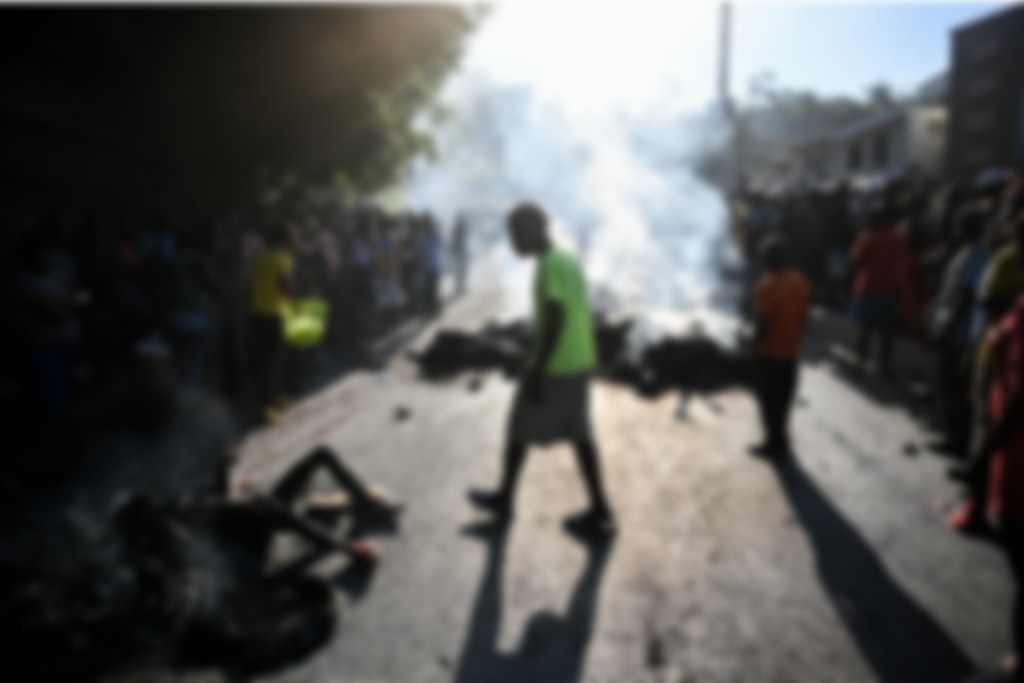
On May 17, 2023, I was contacted by a Haitian diaspora organization in Miami to discuss « the Haitian vigilante movement, its historical and symbolic context. » They wanted to explore Bwa Kale as part of Haiti’s tradition of leaderless, popular self-defense. I agreed but clarified that I wouldn’t call Bwa Kale a movement because I believed it would flare out too quickly (pun absolutely not intended at the time). My reasoning ranged from academic (it didn’t meet the classic definition) to practical (without careful planning and consistent support, it was destined to burn out, pun just as inadvertent but starting to sound prophetic). After making this clear, the organization stopped contacting me and proceeded with their event without my participation. By the end of May, Bwa Kale had largely run its course.
A movement is typically a sustained, organized effort that seeks to bring about long-term social or political change. Movements are characterized by their direction, coordination, and the capacity to endure over time. Iconic examples include the anti-apartheid movement, the U.S. civil rights movement, and even Haiti’s own revolution, all grounded in careful planning and broad participation with an aim for systemic change. Bwa Kale, by contrast, was a reactionary flare-up – a phenomenon, not a movement.
In April 2023, citizens armed themselves with machetes and other similar weapons to confront suspected gang members. Initially, there were notable successes, particularly in areas like Canapé-Vert, where residents pushed back against gang activity. The rapid spread of vigilantism and the number of reported deaths grabbed media attention. However, the spontaneity and lack of structure quickly became apparent, contributing to the phenomenon’s loss of momentum.
Several factors contributed to the swift collapse of Bwa Kale. First, the extrajudicial killings drew criticism locally and internationally, especially when innocents were mistakenly targeted. Second, the absence of leadership or a coordinated strategy made it difficult to maintain the momentum. Without institutional or formal support, these grassroots actions lacked the foundation necessary to grow. Finally, gangs retaliated, and the continued weakness of the Haitian National Police (PNH) made it impossible to sustain the early gains. The gangs regrouped, and the PNH struggled to restore control, leaving communities vulnerable once again.
The decline of Bwa Kale fits into a familiar pattern in Haiti’s history of resistance efforts. Spontaneous uprisings, while powerful in the short term, rarely transition into sustainable movements without careful planning and long-term strategy. Like other efforts before it, Bwa Kale arose from a reaction to crisis, but the lack of structure and institutional support ensured it would fade quickly. Haitian movements often face these challenges, with many being reactive rather than proactive, leading to their inability to enact lasting change.
Bwa Kale serves as a reminder of a recurring issue in Haitian resistance efforts. While the spirit of defiance remains strong, these uprisings fail to evolve into true movements without careful planning and coordination. It’s true that Haiti’s most successful uprisings, such as the rebellion of the enslaved, didn’t wait for leaders to act. However, these efforts were characterized by careful groundwork and a clear sense of purpose, which allowed them to succeed over time. In the case of Bwa Kale, the absence of such planning ensured it would burn out quickly, underscoring the importance of organization for any movement seeking lasting impact.
 la loi de ma bouche
Laisser un commentaire